Executive Communications & Secure Live Streaming Solution

My executive and internal communications work grew out of a mix of design, video production, presentation development, intranet publishing, and live-event support.

This is where the message, format, audience, and production details all have to work together. That might mean refining a leadership deck, preparing speaker materials, building a template system, creating employee-facing visuals, producing a video, or supporting the live workflow behind a company-wide event.

Building a secure live-streaming workflow years before virtual town halls became standard

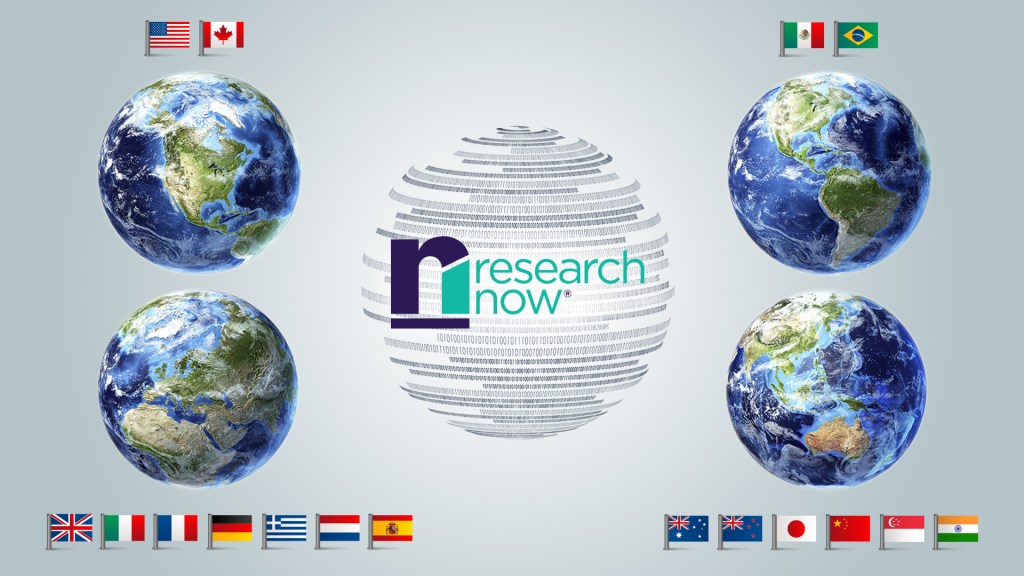
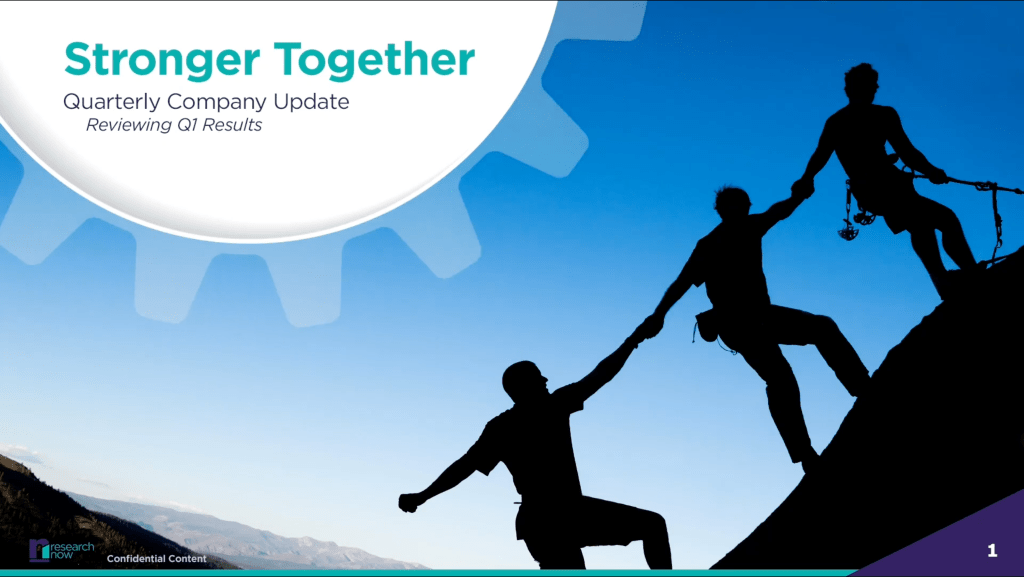
At Dynata / Research Now, executive communications often needed to reach employees across multiple offices in the U.S., Europe, and Canada. Quarterly updates, town halls, acquisition announcements, and leadership messages had to feel clear, coordinated, and connected, even when employees were not in the same room.

What makes this work especially meaningful is the timing. This was nearly five years before COVID made virtual town halls, remote employee meetings, and livestreamed leadership updates feel normal. At the time, the tools were less simple, the expectations were less established, and internal broadcasts required a much more hands-on mix of planning, production, communication, and technical problem-solving.

The challenge was not simply broadcasting a meeting. Leadership needed a secure, reliable, and professional way to communicate high-visibility information to a global workforce while maintaining message control, production quality, and a consistent employee experience.

I helped solve that by building and supporting a live-streaming workflow for executive communications. The workflow connected the full event experience: executive decks, speaker prep, WebEx access, NewTek TriCaster production, audio/video setup, recording, replay publishing, and post-event feedback.

This work became a key part of how leadership connected with employees for quarterly updates, town halls, confidential acquisition-related communications, and other high-stakes company events.

Project Snapshot

Company: Dynata / Research Now

Project Type: Executive communications, secure live streaming, town hall production, presentation design, internal communications, and leadership event support

Audience: 1,200+ global employees, C-suite leaders, executive committee members, Board-facing leadership teams, and 200+ global sales employees

Stakeholders: CEO, C-suite leaders, Global Internal Communications, HR, Legal / General Counsel, Sales leadership, and executive presenters

Tools & Platforms: WebEx, NewTek TriCaster, PowerPoint, Outlook email design, video/audio production equipment, recording and replay workflows, presentation systems, and internal communication channels

Skills Demonstrated: Live production, executive communications, communication design, presentation design, secure broadcast workflow development, speaker preparation, event production, message support, technical troubleshooting, and cross-functional coordination


The Context

This work happened before virtual-first communication was part of normal workplace culture.

Today, it is easy to assume a company can open Zoom, Teams, or another meeting platform, click record, and host a company-wide event. That was not the environment this work came from. Livestreamed leadership updates were not yet a default internal communication tool, and most employees were still used to hearing from leadership through in-person meetings, local office updates, email recaps, or recorded messages shared after the fact.

That limitation made the work more interesting. We had to think through the full experience: how employees would access the broadcast, how leaders would present to both in-room and remote audiences, how the stream would stay secure, how slides and speakers would move through the event, how the replay would be captured, and how employees in different locations and time zones would receive the same message.

The work required creative judgment, communication planning, technical curiosity, and a practical production mindset. It was not a plug-and-play setup. It was a system that had to be built, tested, improved, and trusted.


The Challenge

Leadership needed a better way to communicate with employees across locations.

Quarterly updates and town halls were important moments for employees to hear directly from senior leaders about company priorities, business performance, recognition, organizational changes, and what was coming next. But with employees spread across multiple offices and time zones, a traditional in-room meeting was not enough.

The company needed a communication experience that could support both the people in the room and the employees joining remotely. It also needed to work for sensitive executive topics, including acquisition-related communications, where timing, access, message clarity, and confidentiality mattered.

The solution had to be practical, secure, repeatable, and cost-conscious. It needed to support live executive presentations, remote audiences, recorded replays, and clear presentation materials without relying on a large outside production team every time.

There were also real production limitations. The tools were not as easy as they are now, the process was not already built into workplace habits, and executive presenters were not necessarily used to delivering a leadership message through a camera-supported live event. The experience had to feel calm and professional for employees, even when a lot was happening behind the scenes.


The Solution

I built and supported a secure live-streaming workflow that allowed leadership to communicate with employees across offices in a more organized and dependable way.

The workflow brought together the communication, creative, and technical pieces needed for a successful executive broadcast: presentation design, speaker materials, event setup, live production, remote access, recording, replay publishing, and post-event review.

Instead of treating each town hall or quarterly update as a one-off event, I helped create a repeatable production system that could be used again and again for leadership communications.

This included researching, budgeting for, purchasing, shopping for, and maintaining video production equipment as cost-effectively as possible. I also helped manage the technical setup and production process so the company could produce more professional internal broadcasts without needing to rebuild the process from scratch each time.

The result was a more dependable way for leaders to reach employees live, share important information, and make replays available afterward for those who could not attend.

The technology mattered, but the real goal was communication. The livestream had to support the message, not distract from it. The slides, speaker flow, audio, video, timing, access, recording, and replay all had to work together so employees could focus on what leadership was saying.


My Role

My role combined executive communications, presentation design, live production, and technical problem-solving.

I supported the full communication experience around executive broadcasts, including presentation materials, event preparation, production setup, speaker support, live streaming, recording, replay publishing, and feedback review.

I worked closely with the Global Director of Internal Communications, CEO, HR, Legal / General Counsel, Sales leadership, and other executive stakeholders to make sure the content, visuals, timing, and production experience were aligned.

Because many of these communications were high visibility or sensitive, my work required careful attention to clarity, access, tone, message structure, confidentiality, and technical reliability.

My responsibilities included:

  • Building and supporting a secure live-streaming workflow for executive communications
  • Researching, budgeting for, purchasing, and maintaining video production equipment
  • Supporting WebEx and NewTek TriCaster production workflows
  • Designing and refining PowerPoint decks for quarterly updates, town halls, and leadership presentations
  • Supporting CEO and CFO talking points, Q&A materials, and meeting prep documents
  • Preparing speakers through rehearsals and production run-throughs
  • Supporting live event production for employees in multiple offices and remote locations
  • Managing the flow between slides, speakers, audio, video, and remote access during live events
  • Recording broadcasts and publishing replays after the event
  • Reviewing post-meeting feedback to improve future communication experiences
  • Creating reusable presentation and communication templates for recurring leadership events

What I Built and Supported

A Repeatable Live-Streaming Workflow

I helped create a repeatable workflow that allowed executive communications to move from planning to live delivery to replay publishing in a more organized and reliable way.

This workflow supported quarterly global updates, town halls, leadership announcements, and as-needed company events. It gave leadership a stronger way to connect with employees across offices without treating every event as a new technical challenge.

Executive Presentation and Speaker Support

The live stream was only as effective as the communication behind it. I created and refined presentation decks, improved slide structure, added visuals and data, supported talking points, and helped prepare materials leaders could present with confidence.

For employee-facing updates, the goal was clarity and accessibility. For C-suite and Board-facing materials, the goal was structure, accuracy, and stronger support for data-driven information.

Live Production and Technical Setup

I supported the technical side of executive events using WebEx, NewTek TriCaster, and video/audio production workflows.

This included testing, setup, rehearsals, production support, troubleshooting, recording, and replay publishing. I also helped maintain the equipment and workflows needed to make the process sustainable over time.

Because this was before virtual town halls were common, part of the work was simply figuring out what the process needed to be. We had to think through camera placement, audio quality, presentation visibility, speaker comfort, remote access, recording, and how to make the experience feel intentional instead of improvised.

Secure and Confidential Communications

The workflow became especially important for high-stakes communications, including confidential acquisition-related announcements. These moments required more than basic video conferencing. They required controlled access, careful timing, clear presentation materials, and a live experience that helped leadership deliver sensitive information professionally.

Replay and Follow-Up Support

After live events, I helped make recordings available for employees who could not attend. This extended the value of each communication beyond the live moment and helped support employees in different locations and time zones.

Reusable Communication Systems

I also created reusable PowerPoint templates, Outlook email templates, event branding elements, video graphics, lower thirds, and communication layouts that helped leadership communications feel more consistent over time.

These systems supported not only the live events themselves, but the broader communication experience around them.


A Defining Use Case: Confidential Acquisition Communications

One of the most important uses of this workflow was supporting confidential acquisition-related communications.

These communications required a higher level of planning and discretion. Leadership needed to reach employees quickly and professionally, while controlling access, protecting sensitive information, and creating a communication experience that felt organized rather than improvised.

The live-streaming solution helped make that possible. It gave leaders a way to deliver high-stakes messages across locations with stronger production quality, clearer presentation materials, and a more reliable employee experience.

This work reflected the trust I had built through quarterly executive updates, C-suite presentation support, and leadership communication projects. Because I had already supported recurring executive communications, I was able to help with more sensitive and high-visibility moments when the company needed them.

The acquisition-related communications also showed why the earlier limitations mattered. Because the company already had a secure livestreaming process in place, leadership had a better way to communicate during a moment when timing, confidentiality, and employee trust were especially important.


Process and Approach

1. Start with the communication need, not the technology

The goal was never just to stream a meeting. The goal was to help leadership communicate clearly with employees across locations.

I approached the workflow by first understanding the audience, the message, the timing, the speakers, the level of sensitivity, and what employees needed to understand after the event.

2. Design around the limitations

Because this was years before virtual town halls became standard, the limitations had to be part of the planning. The tools were less automatic, the production process required more hands-on setup, and the experience needed to work for employees watching in different offices and locations.

I treated those limitations as design and production problems to solve: how to make the slides readable, how to help speakers feel prepared, how to keep the broadcast secure, how to record the session, and how to make the replay useful after the live event ended.

3. Build a workflow that leaders could trust

For executive communications, reliability matters. Leaders needed to know the presentation would work, the stream would be accessible, speakers were prepared, and the event would feel professional.

I helped create a process that included setup, testing, rehearsals, run-of-show planning, live production support, recording, and replay publishing.

4. Make the presentation and production work together

The slides, speaker notes, Q&A materials, and live production experience all needed to support one another.

I designed and refined presentation materials with the live experience in mind, making sure slides were readable, organized, visually consistent, and structured for both in-room and remote audiences.

5. Plan for employees who could not attend live

Because employees were spread across offices and time zones, the replay mattered. Recording and replay publishing helped extend the reach of each communication and gave employees another way to stay informed.

6. Improve the system over time

After events, I reviewed feedback and looked for ways to improve the process, materials, and production experience for future leadership communications.

This made the workflow stronger over time and helped establish a more professional standard for executive communications.


Outcome and Impact

The live-streaming solution helped leadership communicate with a 1,200+ global workforce in a more connected, professional, and reliable way.

It supported quarterly updates, town halls, acquisition-related announcements, and other high-visibility executive communications across offices in the U.S., Europe, and Canada.

The workflow helped improve the full communication experience, from presentation design and speaker preparation to live production, recording, replay access, and post-event feedback.

It also gave leadership a stronger way to reach employees during important company moments, especially when the message was sensitive, time-critical, or needed to be delivered consistently across locations.

The most meaningful part of the project is that it solved a real workplace communication problem before the workplace had normalized virtual communication. We were not following a post-COVID playbook. We were building a practical internal broadcast process with the tools, budget, and technology available at the time.

Leadership repeatedly told me that this work raised the standard for executive communications at Dynata / Research Now, especially around quarterly updates, live broadcasts, presentation design, and high-visibility leadership materials.

The trust built through this work also led to my involvement in confidential and high-stakes communications, including acquisition-related announcements and secure livestream support.

Overall, this project showed how communication design, technical production, and executive messaging can work together. The solution was not just a livestream. It was a communication system that helped leaders show up clearly, professionally, and consistently for employees across a global organization.

More from The Captain’s Chair